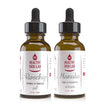
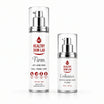
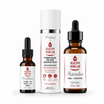
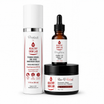
 Dr Sharad Paul, Chief Scientific Officer, Healthy Skin Lab
To read his blogs on general topics, visit sharadpaul.com.
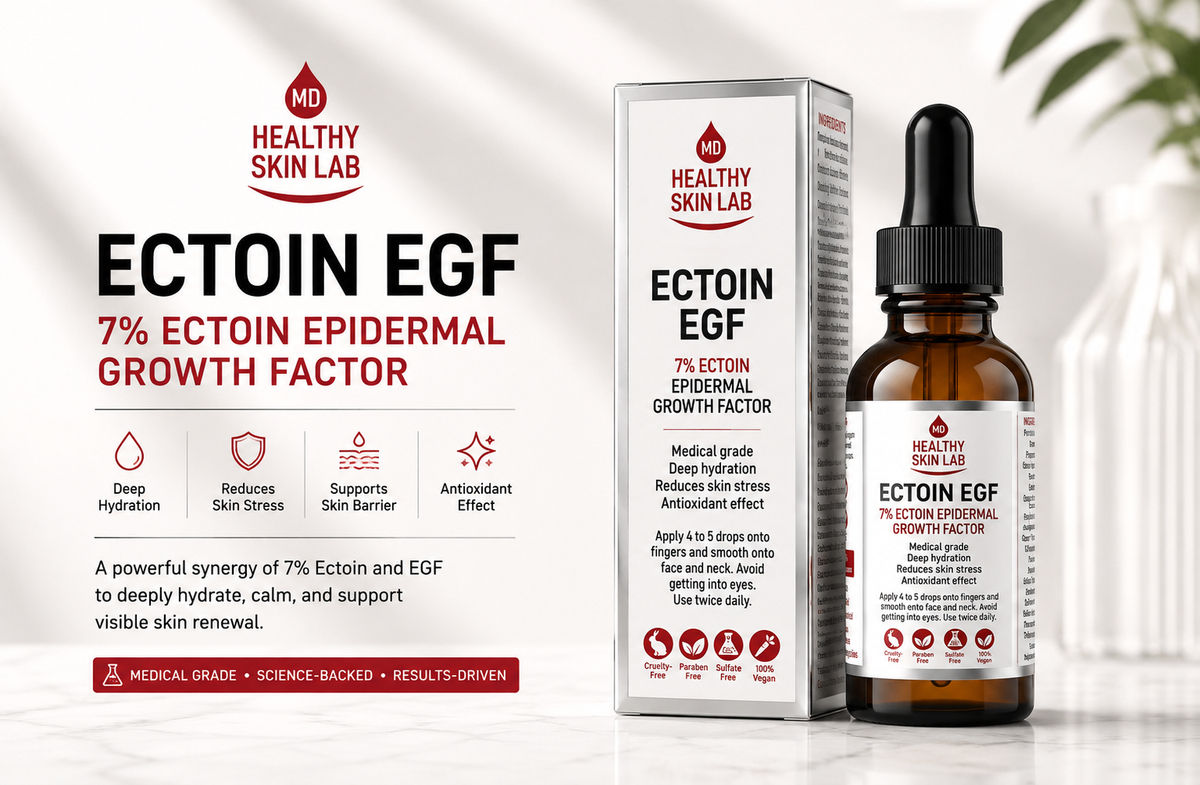
Ectoin and epidermal growth factor (EGF) approach skin health from two complementary biological directions: ectoin supports hydration and resilience under environmental stress, while EGF is studied for its role in cellular communication, wound healing and tissue regeneration.
There is a tendency in skincare to talk about ageing as though it were simply a battle against wrinkles.
I think that misses the more interesting story.
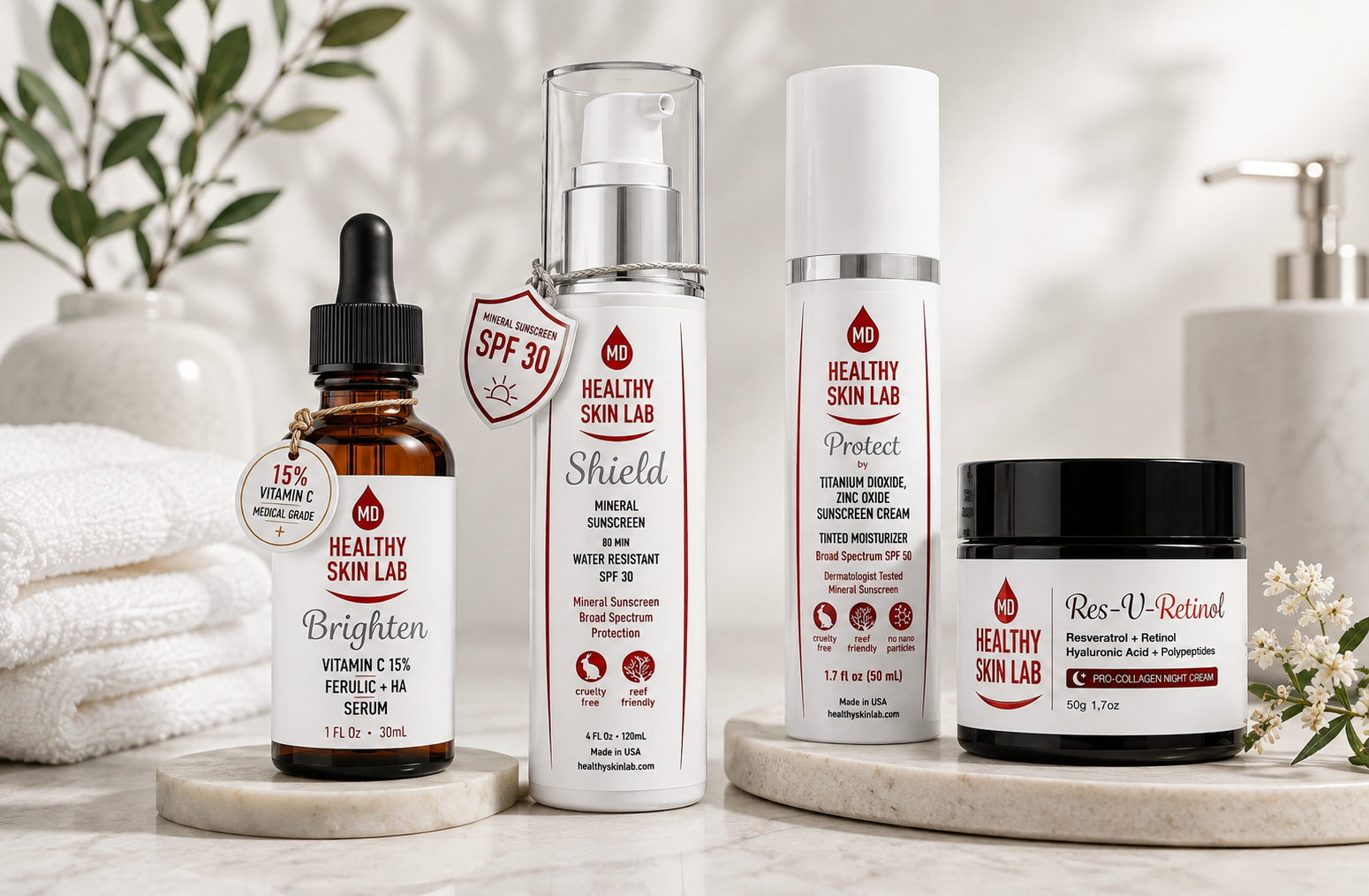
Healthy skin has two remarkable abilities: it can withstand the world outside us, and it can repair itself when things go wrong. As we age, both abilities become less efficient. That observation became the starting point for a new Healthy Skin Lab’s latest ground-breaking formulation combining two ingredients from very different biological worlds: ectoin and epidermal growth factor (EGF).
One is a lesson in survival. The other is a lesson in healing.
What Extreme Environments Can Teach Us

New Zealand is a country where geology frequently refuses to stay underground. Steam rises from the earth, thermal pools bubble through volcanic landscapes, and life exists in places that seem almost too hostile for it. That landscape was part of the inspiration. After all Healthy Skin Lab arose from my research lab in NZ.

Ectoin was first discovered in microorganisms adapted to extreme environments such as highly saline habitats. It belongs to a group of molecules called extremolytes containing natural survival tools that help protect cellular structures when conditions become difficult.
There is something wonderfully elegant about borrowing that idea for skin, is there not? Our skin also lives at an extreme part of the world. It is the boundary between the controlled environment inside our bodies and a world of high ultraviolet radiation, heat, cold, wind & changing humidity.
Ectoin helps bind water and stabilise the cellular environment, and research suggests benefits for hydration, barrier support and resilience against environmental stress. In other words, rather than forcing skin to behave differently, ectoin helps support one of its most fundamental abilities: adaptation to drying conditions.
A Skin Cancer Doctor’s View of Regeneration

Epidermal Growth Factor (EGF) comes into this story from another direction entirely.
Much of my research has involved wounds and the biomechanics of skin. My contribution to the science of surgical skin lines (BEST lines for cutaneous surgery) is considered a foundational advance in the field of surgery. My philosophical view of dermatological surgery tells me this: I have spent my whole career technically creating wounds to cure disease, and then relying on biology to put everything back together again.
Healing is not passive. The instant skin is injured, cells begin exchanging molecular instructions. Keratinocytes move across the wound. Fibroblasts participate in rebuilding tissue. Signals tell cells when to migrate, proliferate and reorganize. Epidermal growth factor is the grammar of this language of repair.
EGF interacts with receptors found on cells including keratinocytes and fibroblasts and has been extensively studied for its role in wound healing and tissue regeneration. Dermatological research is interested in how growth-factor signalling might also support the appearance and function of ageing skin.
But EGF also illustrates one of my favourite rules of skincare: an impressive ingredient is useless if it cannot be delivered effectively. Growth factors are complex molecules. Their stability, formulation and interaction with the skin matter.
| What to Compare | Ectoin | EGF |
|---|---|---|
| Core idea | Survival under environmental stress | Communication during repair |
| Biological inspiration | Microorganisms adapted to extreme environments | Natural cellular signalling involved in wound healing |
| Skin relevance | Hydration, barrier support and resilience | Studied for tissue regeneration and the function of ageing skin |
| Formulation priority | Supporting a stable, hydrated cellular environment | Maintaining stability and effective delivery |
Two Ideas, One Philosophy

This is why I find the combination of ectoin and EGF so interesting. And why we spent time trying to perfect this union.
Ectoin asks: how does a cell survive stress?
EGF replies: how does tissue know how to repair?
Together they represent a different way of thinking about skincare. No longer as camouflage for ageing, but as support for the biological processes that make healthy skin healthy.
At Healthy Skin Lab, we have never been particularly interested in chasing whichever ingredient happens to be fashionable. I personally prefer to start with biology and work backwards. What does skin need to remain resilient? What happens when its barrier is stressed? How does it communicate during repair? And what can science teach us about supporting those processes?
Our new ectoin and EGF formulation grew from those questions. From the extraordinary resilience of life in extreme environments such as geothermal pools, and from what decades of studying wounds has taught me about the extraordinary properties of human skin.
The future of skincare isn't about fighting ageing at all. Perhaps it is about helping skin remember what it already knows how to do:
Survive. Repair. Renew.
Frequently Asked Questions About Ectoin and EGF
What Is Ectoin?
Ectoin is an extremolyte first discovered in microorganisms adapted to extreme environments. Research suggests benefits for hydration, barrier support and resilience against environmental stress.
What Is Epidermal Growth Factor (EGF)?
Epidermal growth factor is a signalling molecule studied for its role in wound healing and tissue regeneration. It interacts with receptors on cells including keratinocytes and fibroblasts.
Why Combine Ectoin and EGF?
The combination brings together two complementary biological ideas: supporting the skin’s ability to withstand stress and supporting the communication involved in repair.
Why Does Formulation Matter for EGF?
Growth factors are complex molecules. Their stability, delivery and interaction with the skin influence how useful they can be within a skincare formula.
Where Can I Find the Ectoin-EGF Serum?
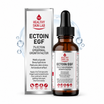
The Ectoin EGF Serum product page is available through the Healthy Skin Lab store. Product availability may change.
References
- Allure. 11 Best Ectoin Products for Protecting and Strengthening Your Skin. Discussion of ectoin as an extremolyte and its use in hydration and skin-barrier support.
- Sun Hye Shin and others. The use of epidermal growth factor in dermatological practice. Review article available through PubMed Central (PMC10333026).
- Marion Kauth and others. Topical Ectoine Application in Children and Adults to Treat Inflammatory Diseases Associated with an Impaired Skin Barrier: A Systematic Review. Dermatology and Therapy (Heidelberg), 2022. PubMed Central (PMC8850511).
- Sharad Paul. Biodynamic Excisional Skin Tension (BEST) Lines for Cutaneous Surgery. Springer Nature, 2018