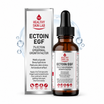
 Dr Sharad Paul, Chief Scientific Officer, Healthy Skin Lab
To read his blogs on general topics, visit sharadpaul.com.
Mineral sunscreen uses zinc oxide, titanium dioxide, or both to protect skin from UV radiation. In this article, Dr. Sharad Paul explains his preference for mineral filters and the thinking behind Healthy Skin Lab’s Shield SPF 30 and Protect SPF 50. Sunscreen is one part of sun protection, alongside shade, hats, protective clothing, and application and reapplication as directed on the label. It does not make excessive UV exposure safe.
For most of human history, nobody applied sunscreen. We lived outdoors. We walked, hunted, gathered, worked and travelled beneath the sun. Our circadian rhythms followed it. Our skin pigmentation evolved in response to it. And several aspects of human physiology still depend upon light.
Then modern medicine discovered something important. Too much ultraviolet radiation damages DNA.
As a skin cancer doctor, I see the consequences every day. Basal cell cancers, squamous cell cancers, melanomas and prematurely aged skin all remind us that sunlight can be dangerous. Therefore, we invented sunscreen. It was a good and sensible idea. But perhaps somewhere along the way, we began asking the wrong question.
Instead of asking, “How do we live safely with the sun?” we began asking how do we block it? Those are not quite the same thing.
Sunlight Is a Biological Signal

The sun isn't simply a carcinogen floating in the sky. Light is information. Recent reports from scientific studies show that our cells communicate via light receptors.
Morning light helps set our circadian clock. Ultraviolet radiation enables vitamin D production. And perhaps less well known is the relationship between sunlight and nitric oxide. Our skin contains stores of nitric oxides. Exposure to UVA can mobilise nitric oxide-related compounds, which can enter the circulation. Nitric oxide relaxes blood vessels, and researchers are investigating whether this pathway helps explain some of the cardiovascular associations observed with sunlight exposure.
None of this makes excessive UV exposure safe. But it does tell us something important. Biology is rarely binary. Sunlight can damage us and benefit us. Oxygen keeps us alive but also produces oxidative damage. Food sustains us but too much causes disease. Exercise stresses our tissues and simultaneously makes them stronger. The question is usually one of balance.
And Then There Is Sunscreen

I became interested in sunscreen safety because of a simple contradiction. We recommend these products to healthy people, including children, and encourage them to apply sunscreen repeatedly and over large areas of their bodies for decades. That is entirely reasonable if we are preventing skin cancer.
But if something is intended for lifelong use, shouldn't we also be interested in what happens to its ingredients? In my widely read scientific paper “Ensuring the Safety of Sunscreens, and Their Efficacy in Preventing Skin Cancers”, I explored some of these questions. We now know that certain chemicals used as UV filters can penetrate human skin and be detected systemically. Detection does not equal danger. Finding a chemical in blood does not prove that it causes disease. Reports of their presence in breast and prostate secretions, alongside questions about potential hormonal effects, made me want to understand their long-term safety more fully. But neither should absence of proof of harm automatically be interpreted as proof of absence of harm. For something we apply repeatedly throughout life, I think caution is reasonable.
Why I Prefer Mineral Filters

Mineral sunscreens primarily use zinc oxide and titanium dioxide. My preference for these ingredients is not based on the idea that everything described as “natural” is automatically safer. That is another marketing myth. Nature contains plenty of poisons.
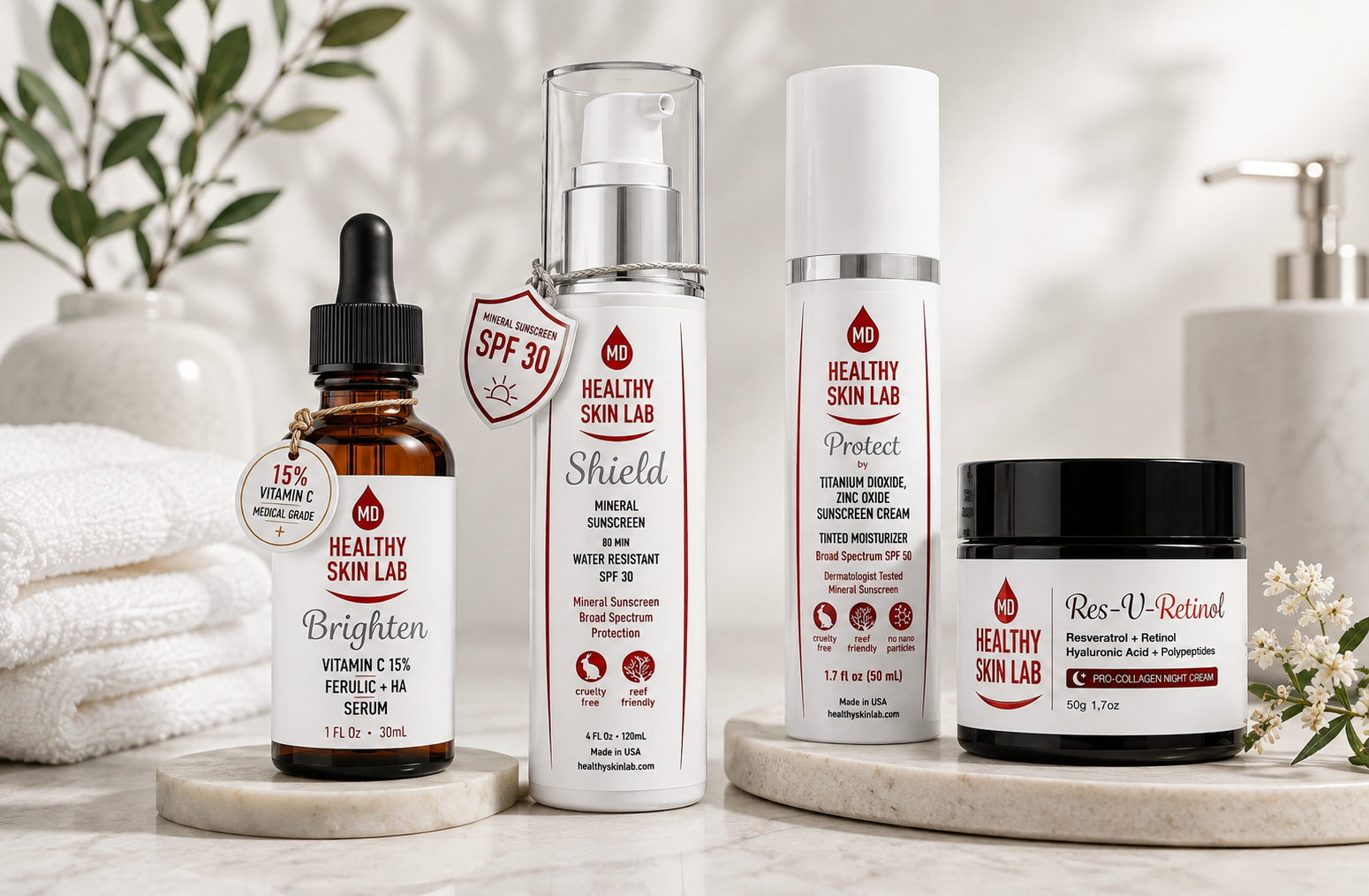
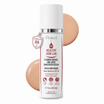
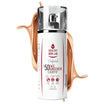
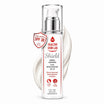
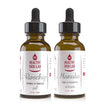
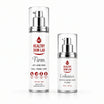
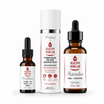
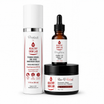
Rather, it comes back to a principle I use throughout medicine: when two approaches can achieve the desired result, I prefer the one that asks less unnecessarily of human biology. This philosophy influenced what we developed at Healthy Skin Lab. Our Shield SPF 30 and Protect SPF 50 tinted moisturiser use zinc oxide and titanium dioxide as their active sunscreen ingredients. For me as a skin doctor, sunscreen isn't merely something added to a cosmetic so that SPF can appear on the packaging. Photoprotection and making sunscreens user-friendly is part of the formulation philosophy. Research on iron oxides in tinted sunscreens suggests they can improve protection against visible-light-induced pigmentation in skin prone to hyperpigmentation.
Don’t Be Afraid of the Sun. Respect It.

There is an irony in modern life. Our ancestors spent almost their entire lives outdoors and had no sunscreen. We spend most of our lives indoors and have almost become frightened of sunlight.
Neither extreme makes much biological sense. I don't recommend deliberately exposing your skin to damaging levels of ultraviolet radiation in pursuit of vitamin D or nitric oxide. We have safer ways of managing many of these things. And sunscreen remains only one component of sensible sun protection: clothing, hats, shade and avoiding burning are enormously important.
There is also much we still don't know about how different forms of photoprotection influence sunlight's beneficial biological pathways. We should be careful not to claim that mineral sunscreens uniquely preserve nitric-oxide signalling while chemical sunscreens prevent it; the evidence does not yet justify that conclusion.
But the larger principle remains. Human beings did not evolve independently of the natural world. We evolved within it. Good medicine therefore shouldn't always try to place a wall between humans and nature. Sometimes its job is to understand the relationship and make it safer.
That is my (and thereby Healthy Skin Lab’s) philosophy behind sunscreens: not as armor against the sun. But as one tool that allows us to live intelligently beneath it.
Addendum: In the United States, sunscreens are regulated as over-the-counter (OTC) drugs. An OTC drug listing or appearance in DailyMed, the National Library of Medicine’s drug-label database, does not mean that an individual product has received FDA approval. However, sunscreens marketed under the FDA’s OTC Sunscreen Monograph must comply with its applicable requirements and adhere to drug current good manufacturing practice (cGMP) requirements for production and quality control. A listing alone does not establish that FDA has verified this compliance.

PROTECT has been named a 2026 Top Picks Beauty Awards winner by Skincare Anarchy. Healthy Skin Lab also features Angie from HotandFlashy’s recognition of PROTECT among the mineral sunscreens she tested.
| Formula | SPF and Finish | Everyday Use |
|---|---|---|
| Shield | SPF 30 mineral sunscreen | Face and body; water resistant for 80 minutes |
| Protect | SPF 50 tinted moisturizer | Face and neck; hydration with a sheer tint |
Frequently Asked Questions About Mineral Sunscreen
What Is Mineral Sunscreen?
Mineral sunscreens use zinc oxide, titanium dioxide, or both as active UV filters. Healthy Skin Lab’s Shield SPF 30 and Protect SPF 50 use both ingredients.
Does Sunscreen Replace Shade and Protective Clothing?
No. Sunscreen is one component of sun protection, alongside clothing, hats, shade and avoiding sunburn. Follow the product label for application and reapplication.
Can Tinted Sunscreen Help With Visible-Light-Induced Pigmentation?
Research suggests iron oxides in tinted sunscreens can improve protection against visible-light-induced pigmentation. Results depend on the formulation and how it is applied.
Does a DailyMed Listing Mean a Sunscreen Is FDA Approved?
No. An OTC drug listing or appearance in DailyMed, the National Library of Medicine’s drug-label database, does not establish individual FDA approval. Sunscreens marketed under the FDA’s OTC Sunscreen Monograph must comply with its applicable requirements and drug current good manufacturing practice (cGMP) requirements for production and quality control. A listing alone does not establish that FDA has verified this compliance.
References
- Smith JM et al. Engineering cellular communication between light-activated synthetic cells and bacteria. Nature Chemical Biology 19, 1138-1146 (2023).
- Paul SP. Ensuring the Safety of Sunscreens, and Their Efficacy in Preventing Skin Cancers. Frontiers in Medicine. 2019;6:195.
- Doan V et al. Iron Oxides in Tinted Sunscreen for Hyperpigmentation: A Product Analysis and Literature Review. Journal of Drugs in Dermatology. 2026;25(5):440-443.
- FDA: OTC sunscreen regulation and product-specific premarket approval.